Sailing Beyond the Bay: Tampa Bay Watch Goes to Philadelphia
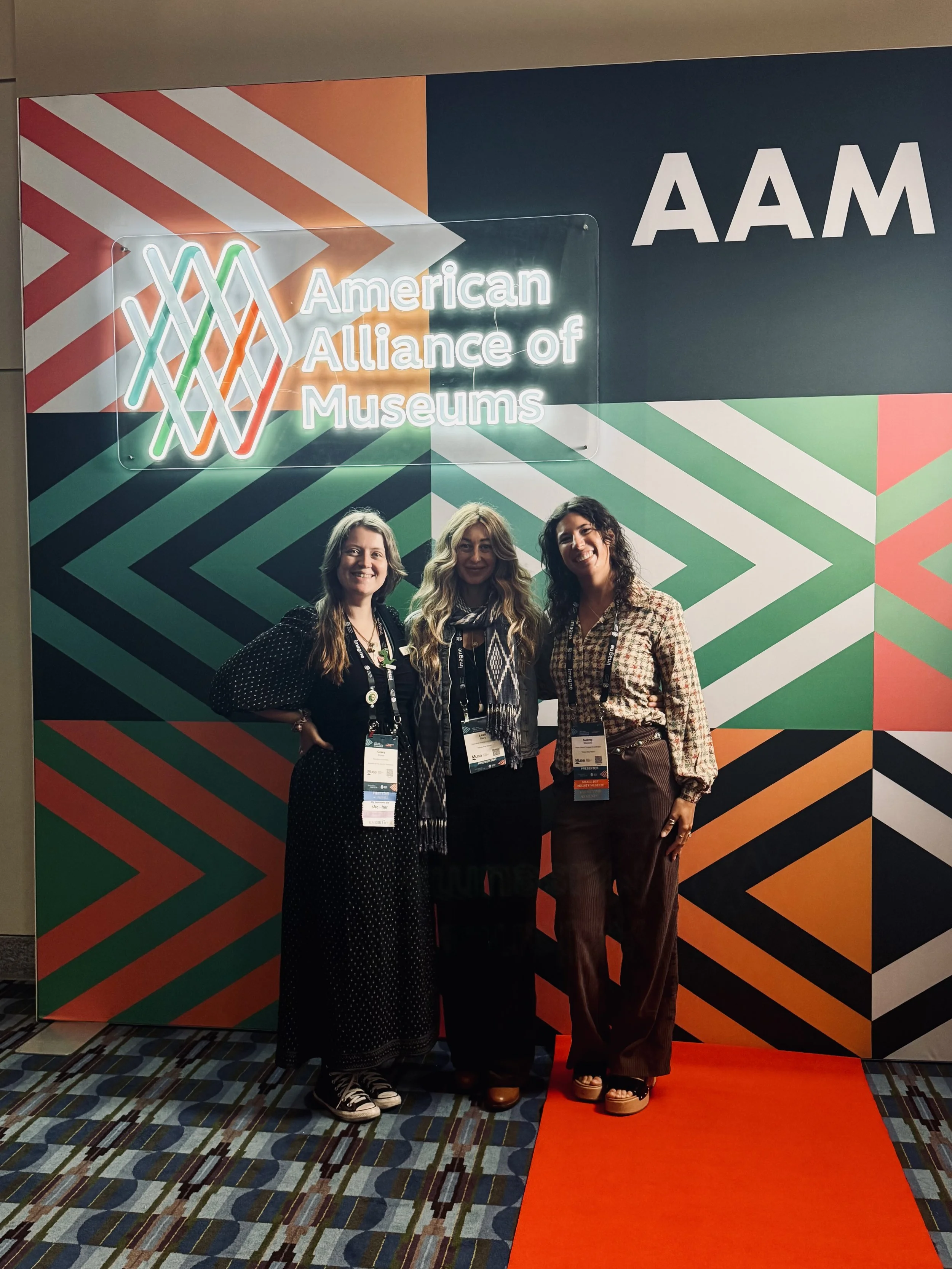
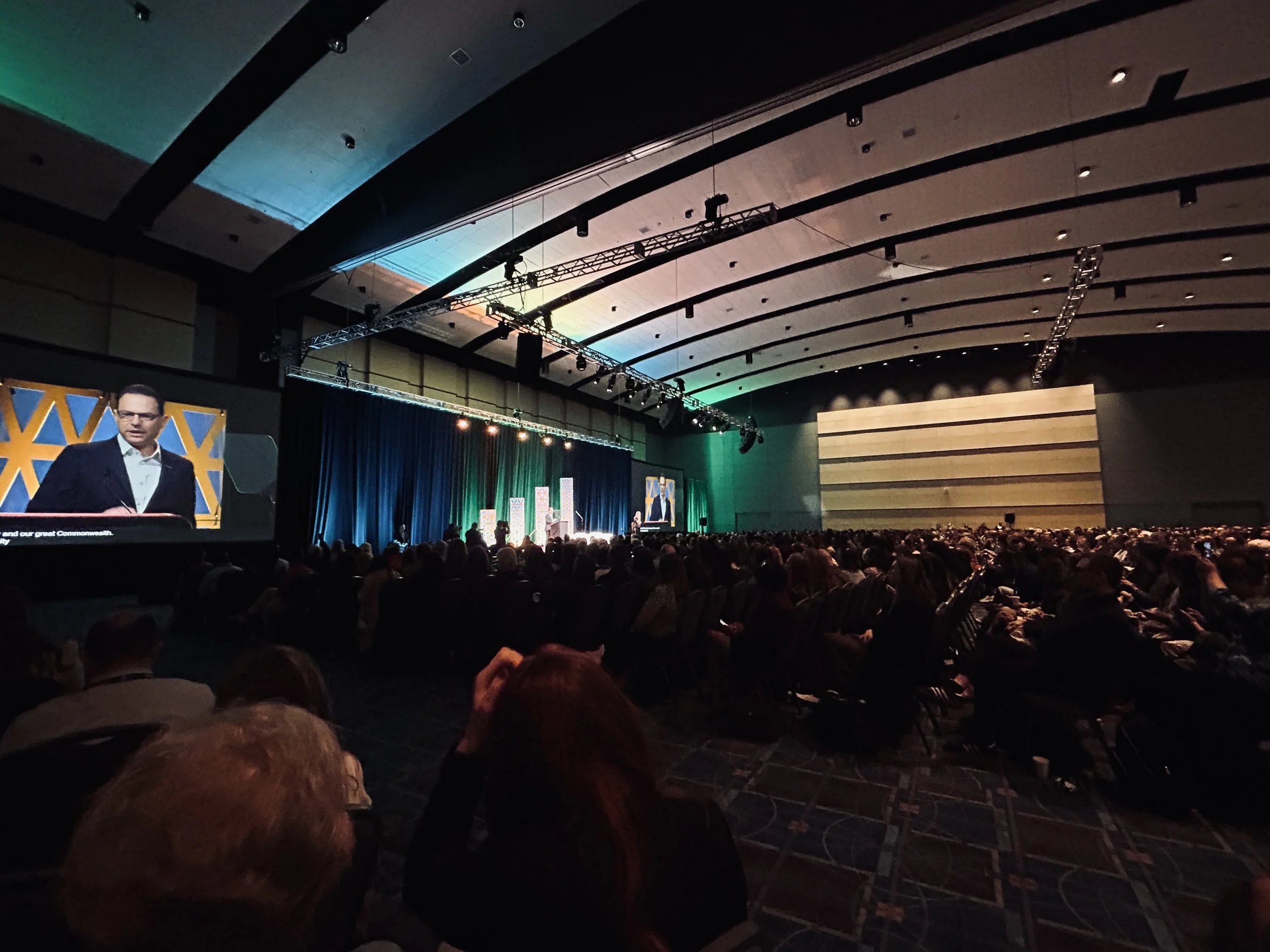
Tampa Bay Watch and Museum of Fine Arts, St. Petersburg representatives recently traveled to Philadelphia to attend and present at the American Alliance of Museums Annual Meeting & MuseumExpo. Leah Biery, Executive Director of Education, and Aubrey Stevens, Marine Operations Manager, joined MFA education team members Kimberlynn Martin and Casey Broker to share From Moran to Mangroves: A Partner Program that Sails Beyond the Galleries. Their presentation highlighted the development and impact of the two organizations’ collaborative Sunset Art & Nature Tours, an immersive experience that begins with a guided exploration of nature-inspired artworks in the museum's galleries before continuing onto Tampa Bay Watch’s boat for a sunset eco-cruise through Tampa Bay with built-in opportunities for creative expression.
The session explored the value of interdisciplinary partnerships and how collaboration can strengthen programs, expand audience reach, spark inspiration, and create deeper connections between people, art, and the natural world. Throughout the conference, Leah and Aubrey also visited some of Philadelphia's world-class cultural institutions and attended sessions led by museum professionals from across the country on topics including program development, exhibit design, leadership, inspiring awe, soundscapes, generational differences, and the evolving role of museums today. They returned with fresh ideas and inspiration that they are excited to bring back to future experiences at Tampa Bay Watch and our Discovery Center on the St. Pete Pier. We interviewed Leah and Aubrey to learn more about their experience at the conference and what they’re bringing home from it.
What was your favorite session or presentation from the conference, and what made it stand out to you?
Aubrey: My favorite session of the conference was actually the very first one I attended, called The Science of Memories: Ensuring Exhibits are Unforgettable. My path in college started with an interest in the medical field, so learning what sparks our best memories and makes things unforgettable, down to how the neurons fire and how our memories change with age, really intrigued me. It also got me thinking about how many people come on our Wildlife Boat Tours and remember the experience - how the brain saves the information because of the factors of novelty that we offer on the boat because it is so unique, and we are able to help people feel comfortable and safe on the boat so they are able to focus on learning and absorbing. There are also so many senses on the boat trips - feeling the wind, smelling bird island, seeing the animals in the trawl, hearing a dolphin exhale. The multisensory experience also helps our brain remember the boat tour vividly and in a positive way, all while not even realizing the memories you are making, because most happens subconsciously!
Leah: A session called Being the Change: Leading with Values to Shape a Mission-Driven Future gave me so much to think about. Three presenters shared case studies about navigating complex challenges by leaning into their organizations’ core values. One example that stood out was an art museum in San Diego that lost its free parking for guests and used its commitment to accessibility to help guide its response and decision-making process throughout a complicated process with the city. The conversation felt both thoughtful and widely applicable, and offered practical insight into how values can shape leadership, communication, and organizational decisions.
Was there a specific idea, quote, or fact that really stuck with you?
Aubrey: One of the most memorable quotes from the entire conference that has really stuck with me is a quote from David Kahneman that said, “We don’t choose between experiences, we choose between memories of experiences. Even when we think about the future, we don’t think of our future normally as experiences. We think of our future as anticipated memories”. This quote has got me thinking more about my life experiences, and how our guests at Tampa Bay Watch are anticipating their visit with a true intention of having an unforgettable, memorable experience. I feel it's very valuable for us to shift our mindset to this as we continue to develop programming for our guests.
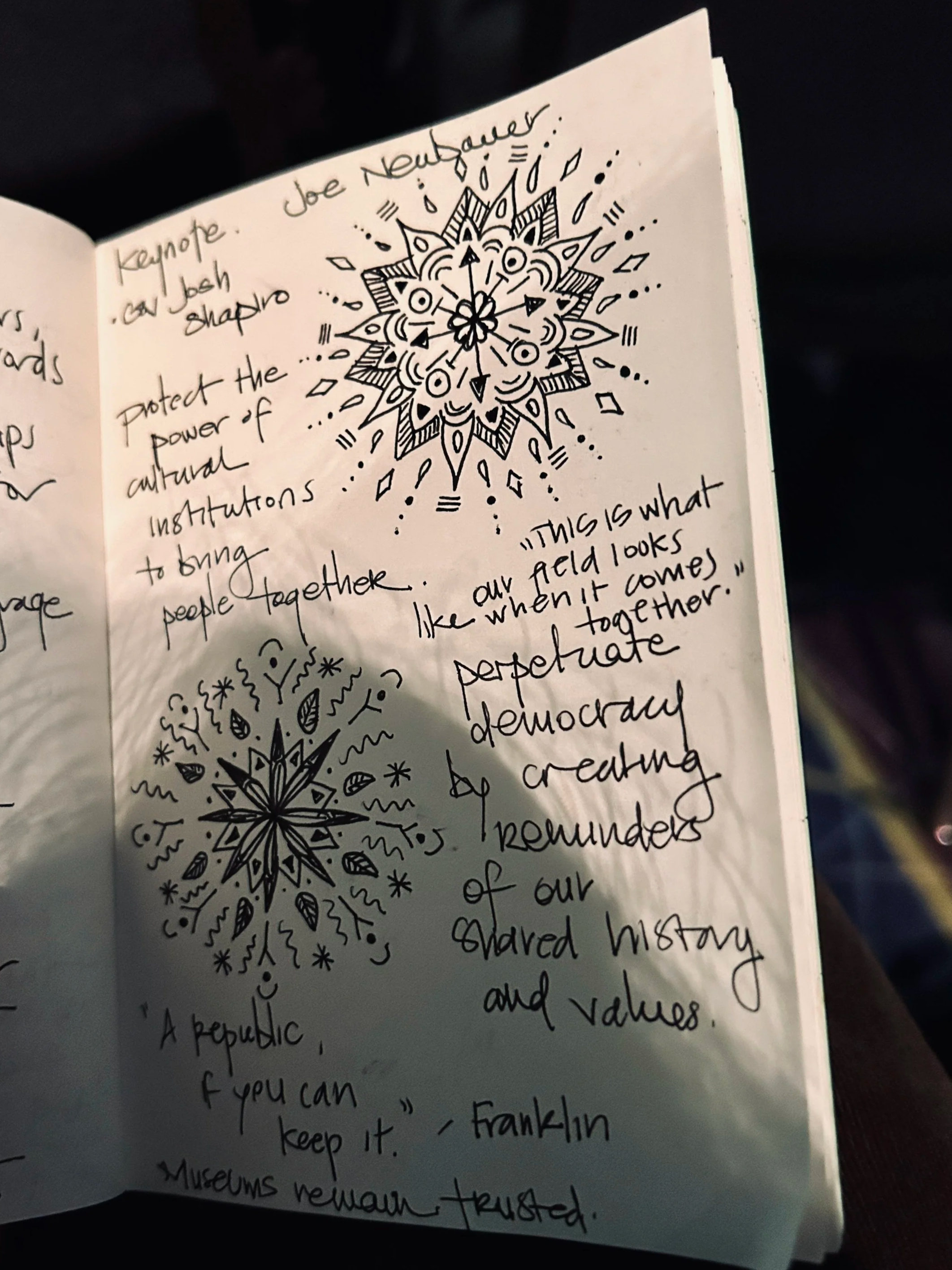
Leah: I attended a session about the Annual Survey of Museum-Goers and learned that research indicates a strong majority of Americans across the political spectrum trust museums and cultural institutions (second only to libraries!), support increased funding for them, and desire more inclusive storytelling within these spaces. Hearing that there is such broad shared support and common ground around the role of museums felt genuinely encouraging in a time when communities can seem divided in so many ways.
What were some of your biggest overall takeaways from the conference experience? Were there any emerging trends or themes you noticed across the conference sessions?
Aubrey: Sometimes, in today's society, it's easy to feel alone, and this conference really opened my eyes to how many passionate, like-minded, creative people we have in our industry and beyond - it was inspiring to see so many people who cared so deeply about educating people, giving people good, memorable experiences, and continuing to improve themselves and their work. I also think almost every single experience I had in a session at the conference, or at a museum, invoked conversation. Another theme that stuck with me was the ideas surrounding how to invoke, wonder, thought, awe, and conversation - because having conversations is what will change the world.
Leah: One of the biggest themes that stood out to me was the importance of listening, to your team, your visitors, and your community. I attended presentations about generational perspectives, what teachers say they need most from museums and educational organizations, and the value of involving staff in broader organizational planning and conversations. These are practices we already prioritize within the Tampa Bay Watch education department, but it was affirming to see how strongly others in the field value the same approaches and to learn new ideas for how we can do it even better. I also enjoyed connecting with colleagues from around the country who lead a wide range of fascinating institutions, both large and small, and learning how deeply dedicated they are to the stories they want to tell. Tampa Bay was well represented, and it was fun to run into friends from Great Explorations Children's Museum, The Dali Museum, and Glazer Children's Museum.
Which museums, exhibits, or attractions did you explore while in Philadelphia, and did any leave a lasting impression?
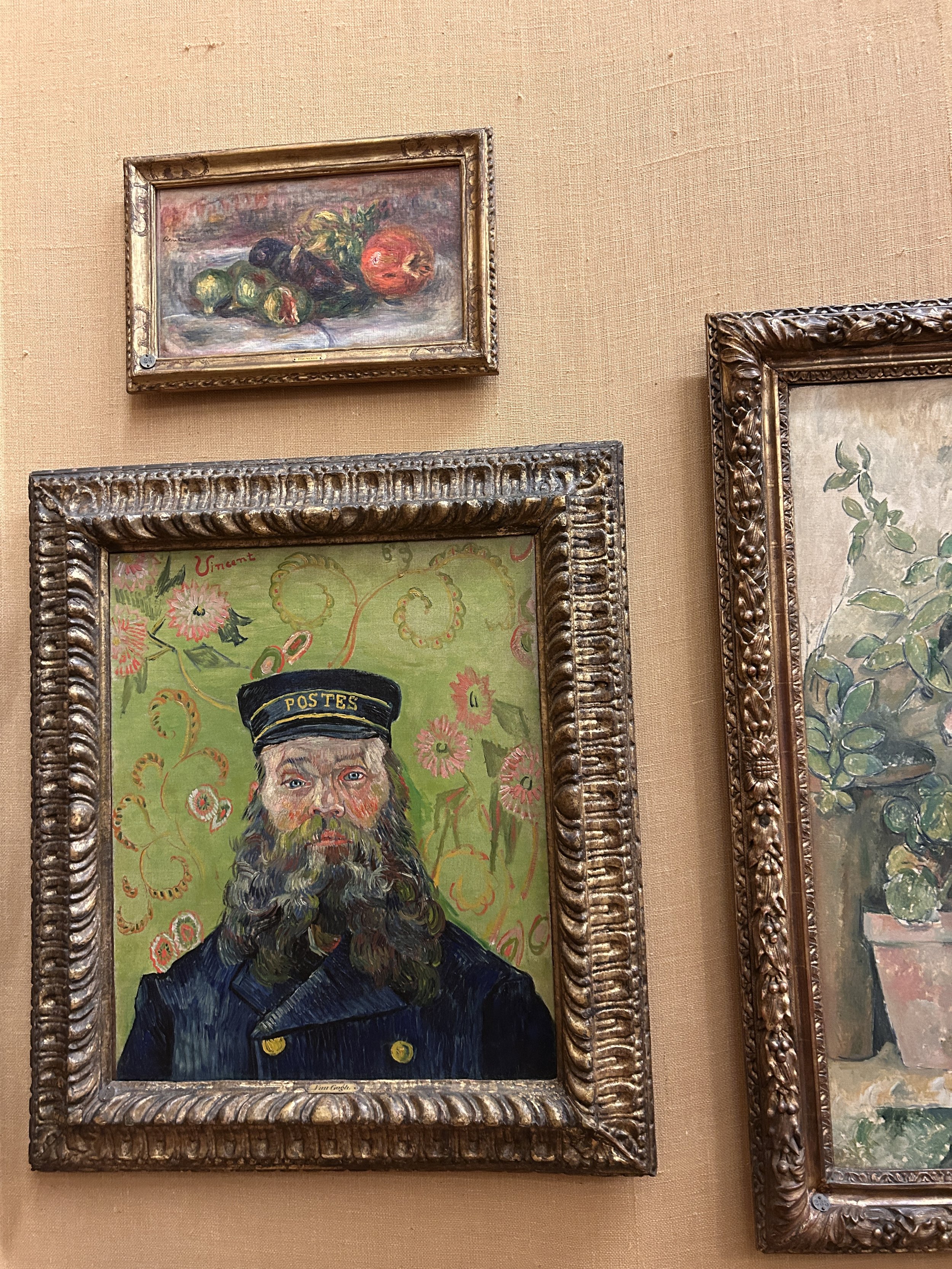
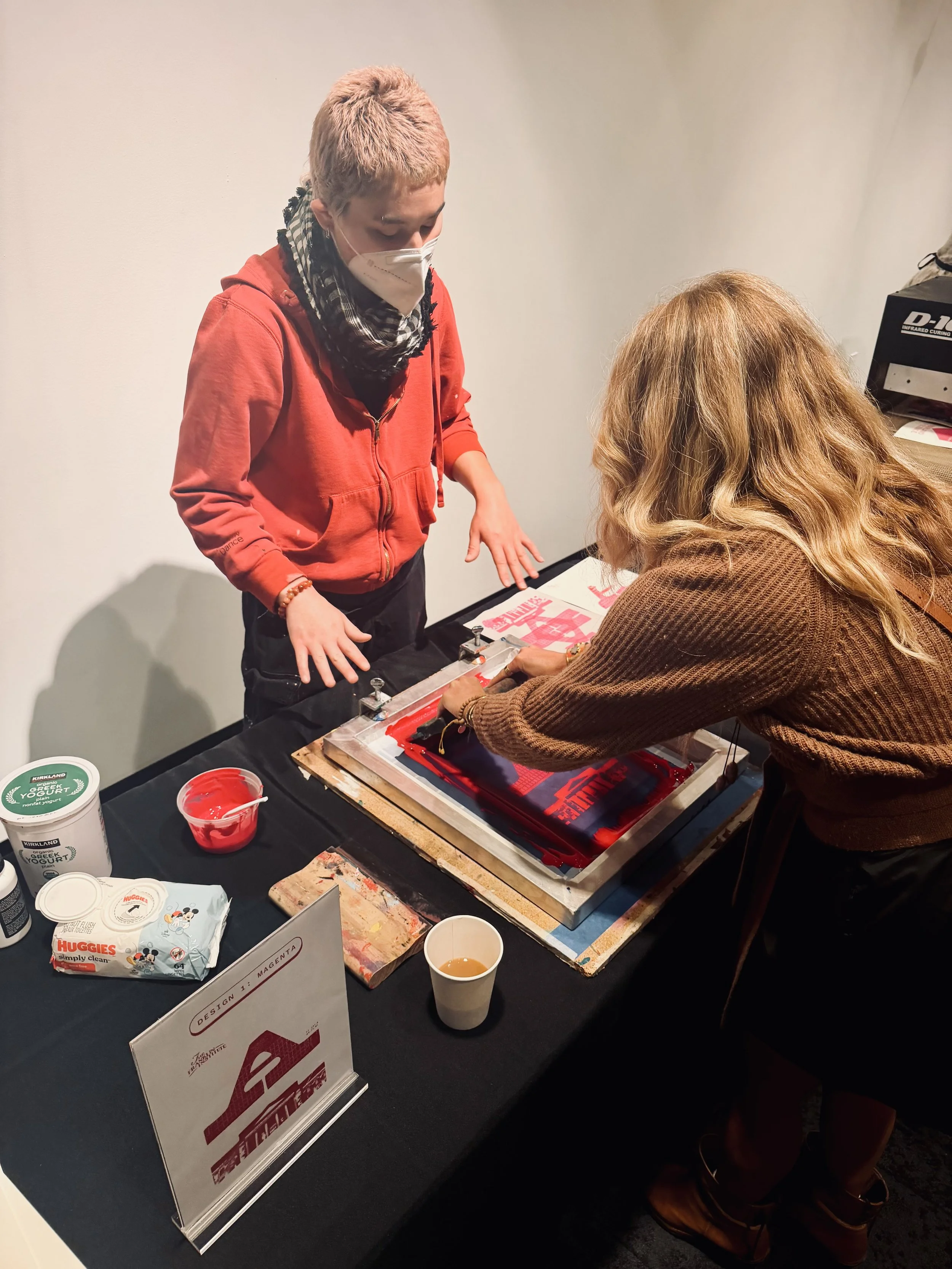
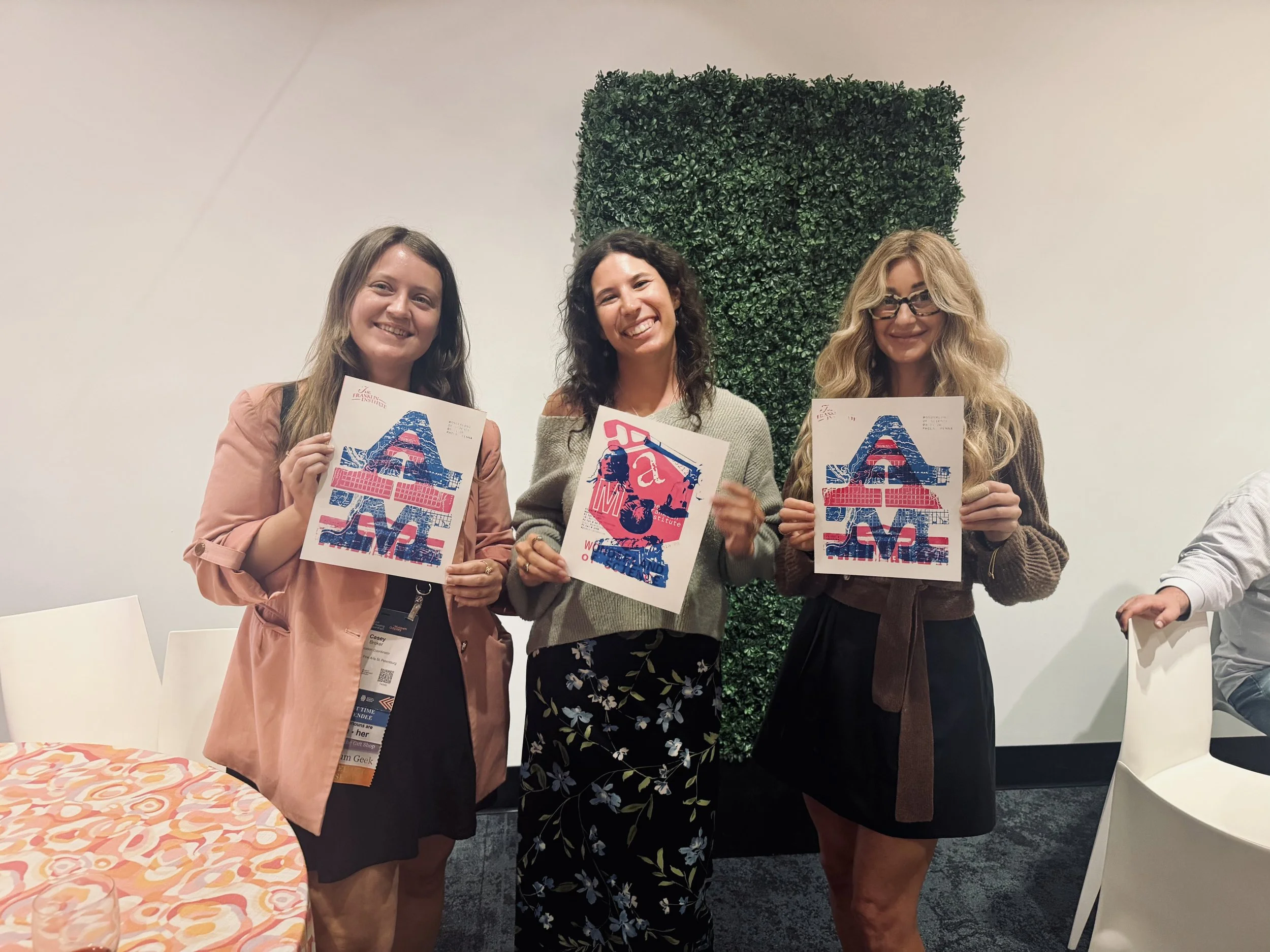
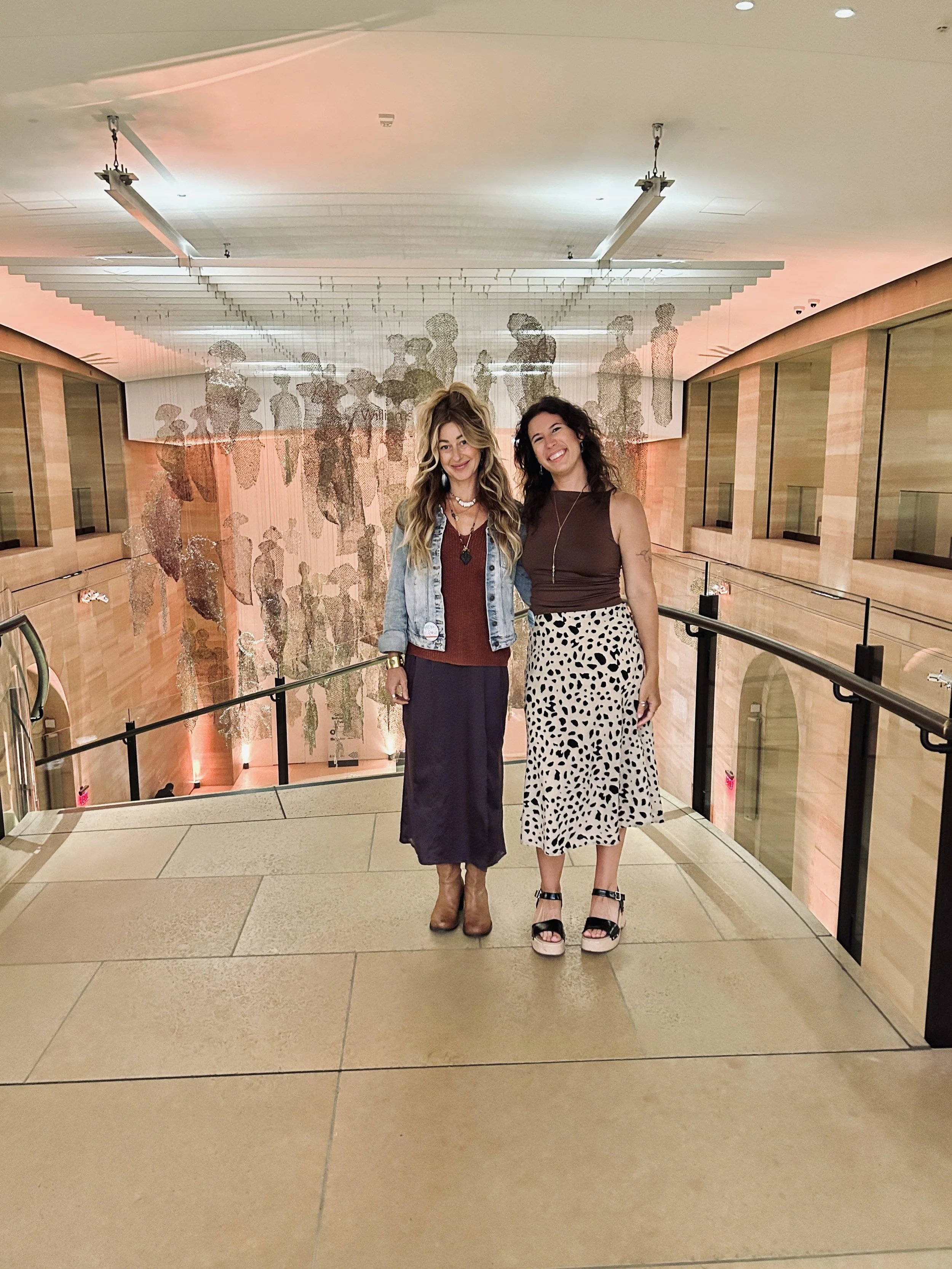
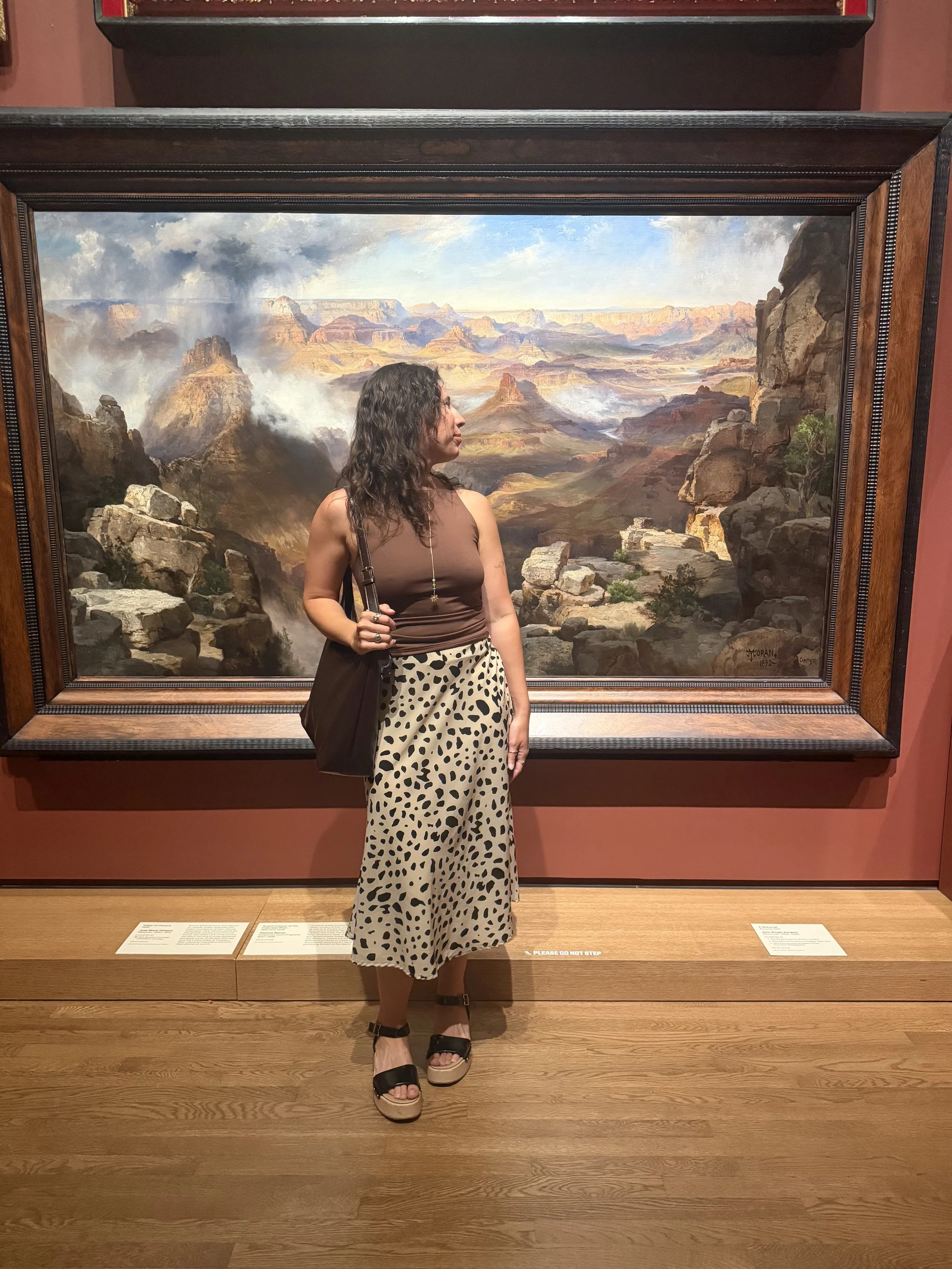
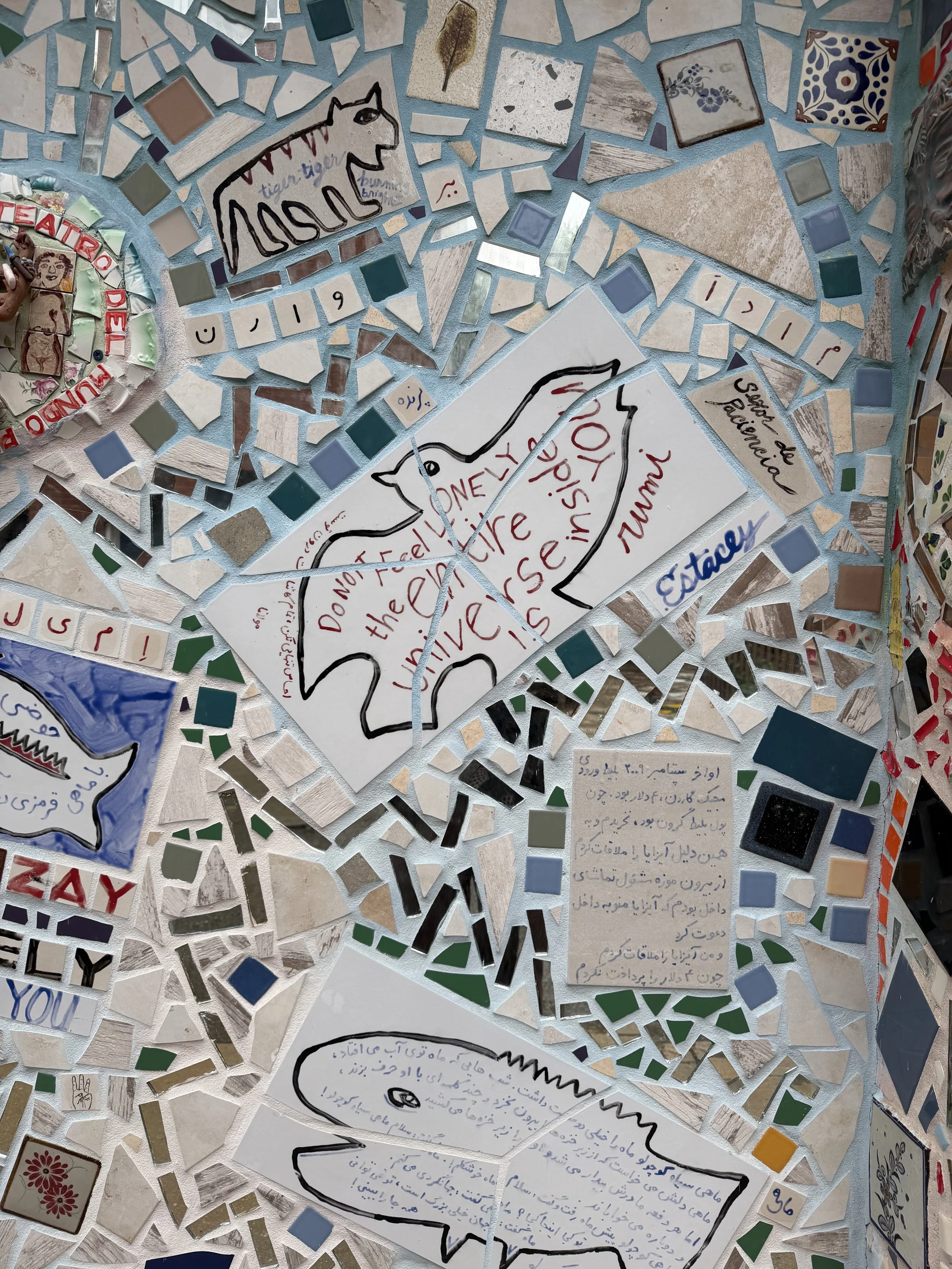
Aubrey: I really tried to see a little bit of everything while we were in Philadelphia - I attended networking nights at the Philadelphia Museum of Arts where I became emotional over a Thomas Moran painting, and The Franklin Institute where I was able to let my inner child out again while learning about science. On my own, I went to the Independence Seaport Museum that had exhibits that really hit home with the nautical side of my soul, Philadelphia’s Magic Gardens where everywhere I looked there was something new that I noticed in the murals and mosaics, and dove a little into the history of the city at the Betsy Ross House and the famous Liberty Bell. Overall, I was very attuned to the way each museum had such different themes and topics but were all able to still tell their story at each and every place.
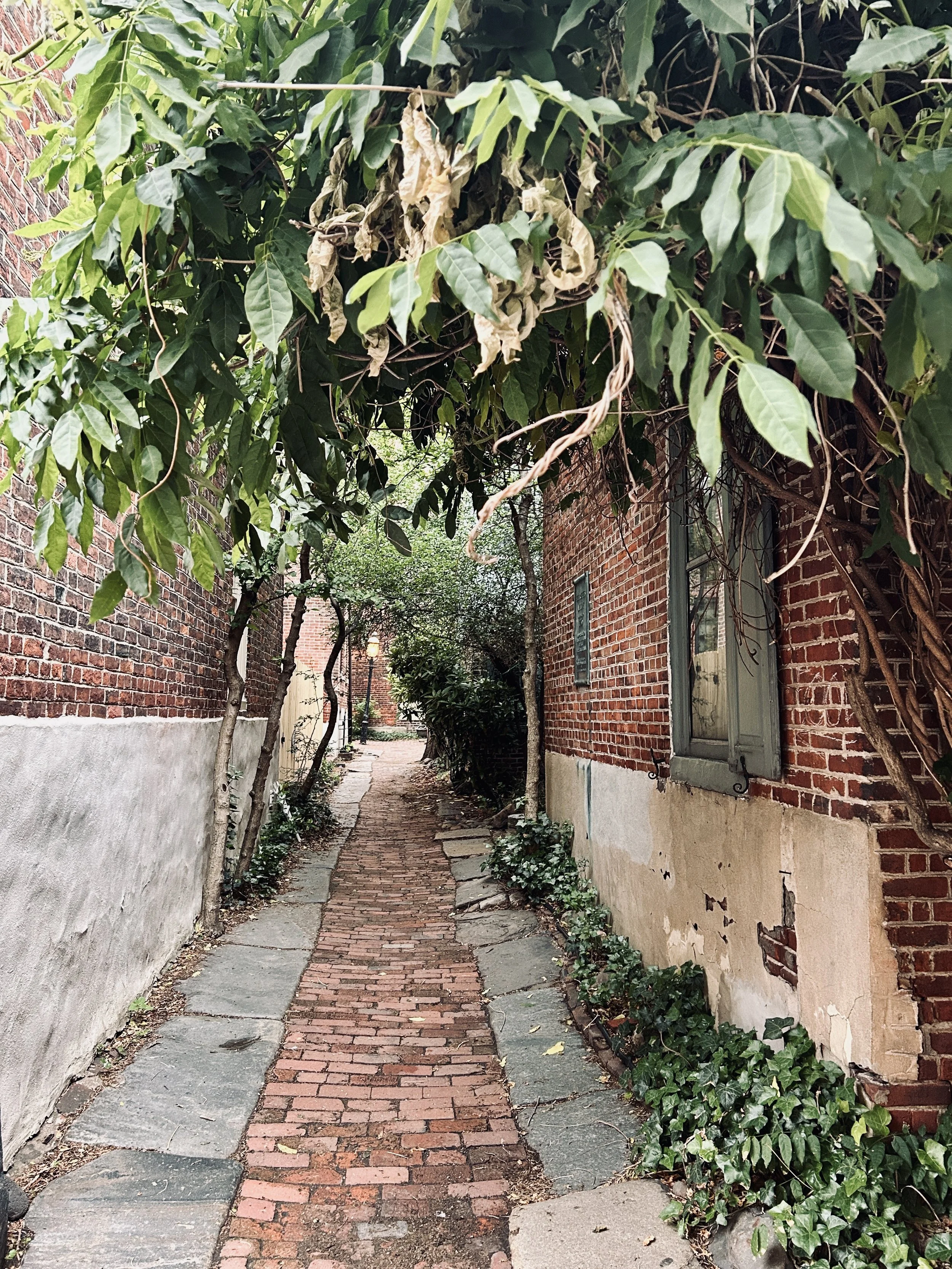
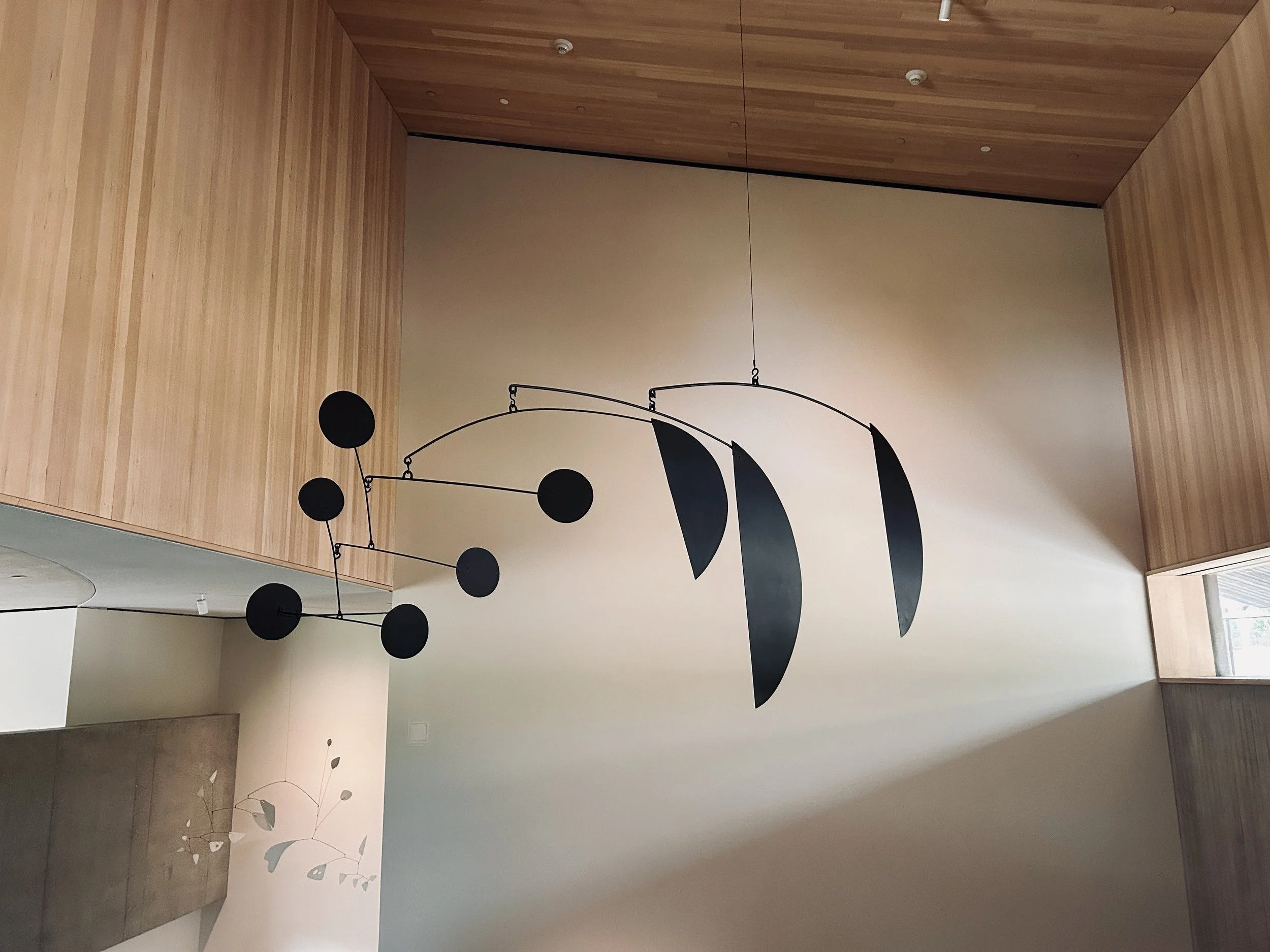
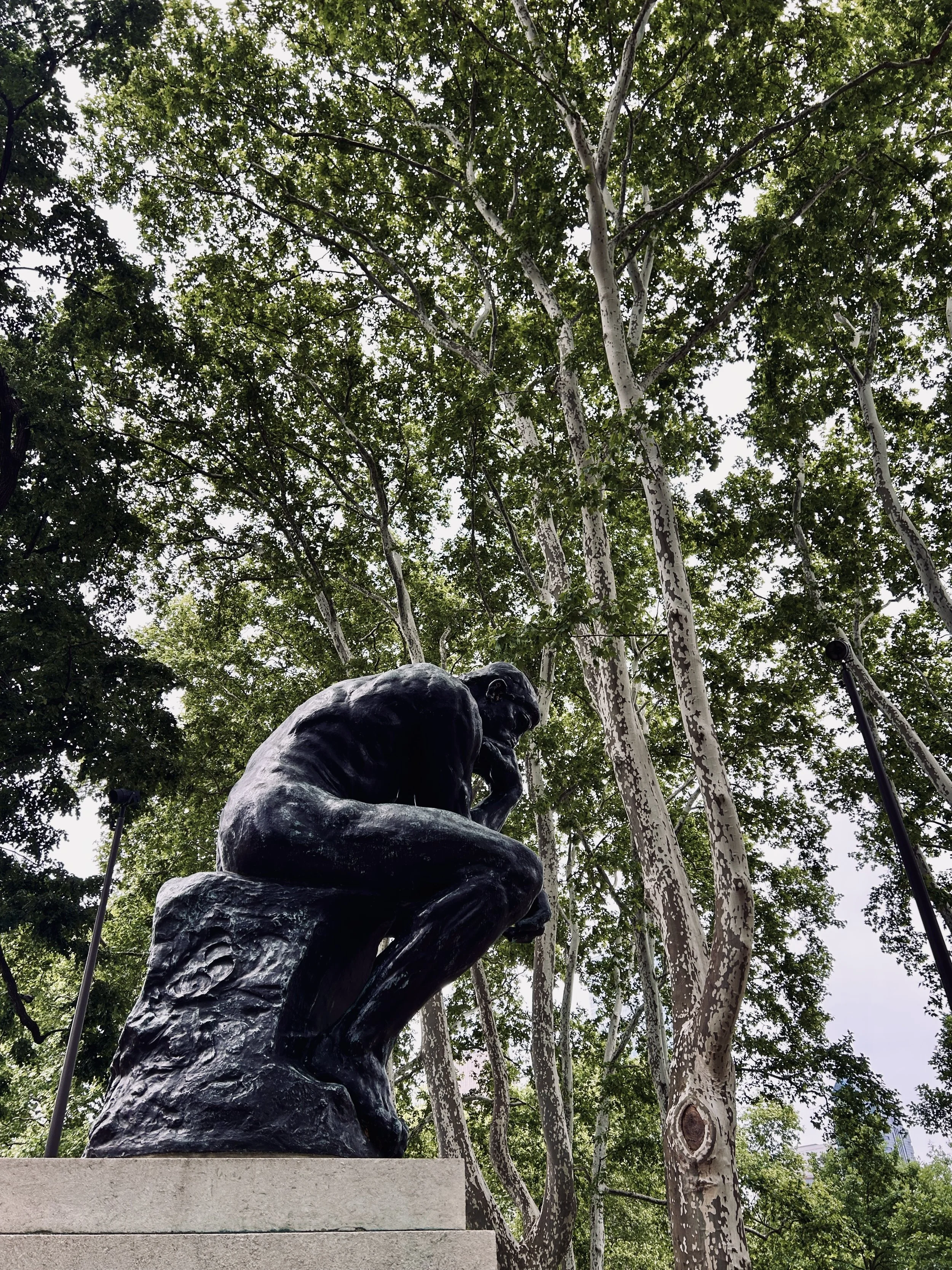
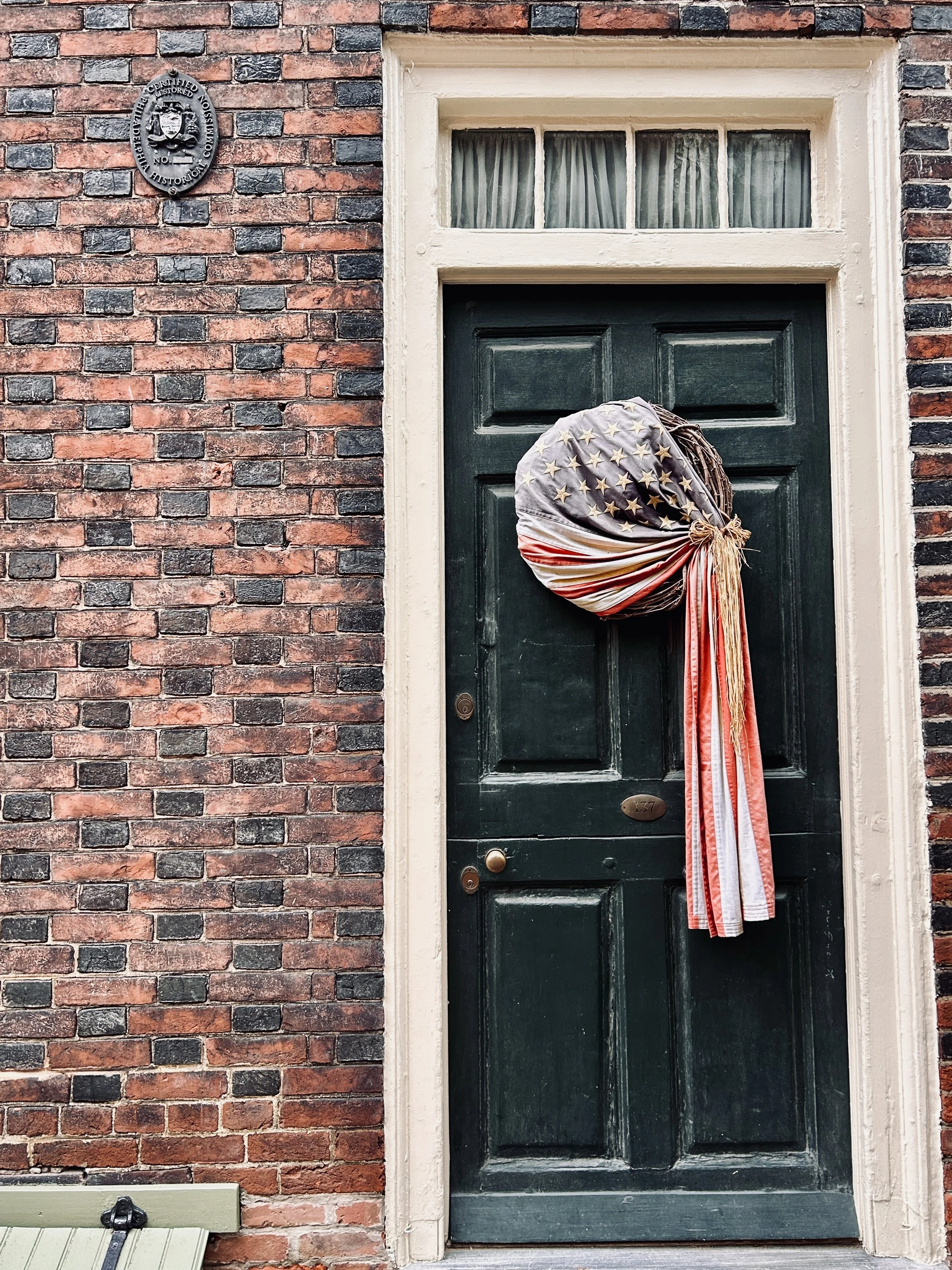
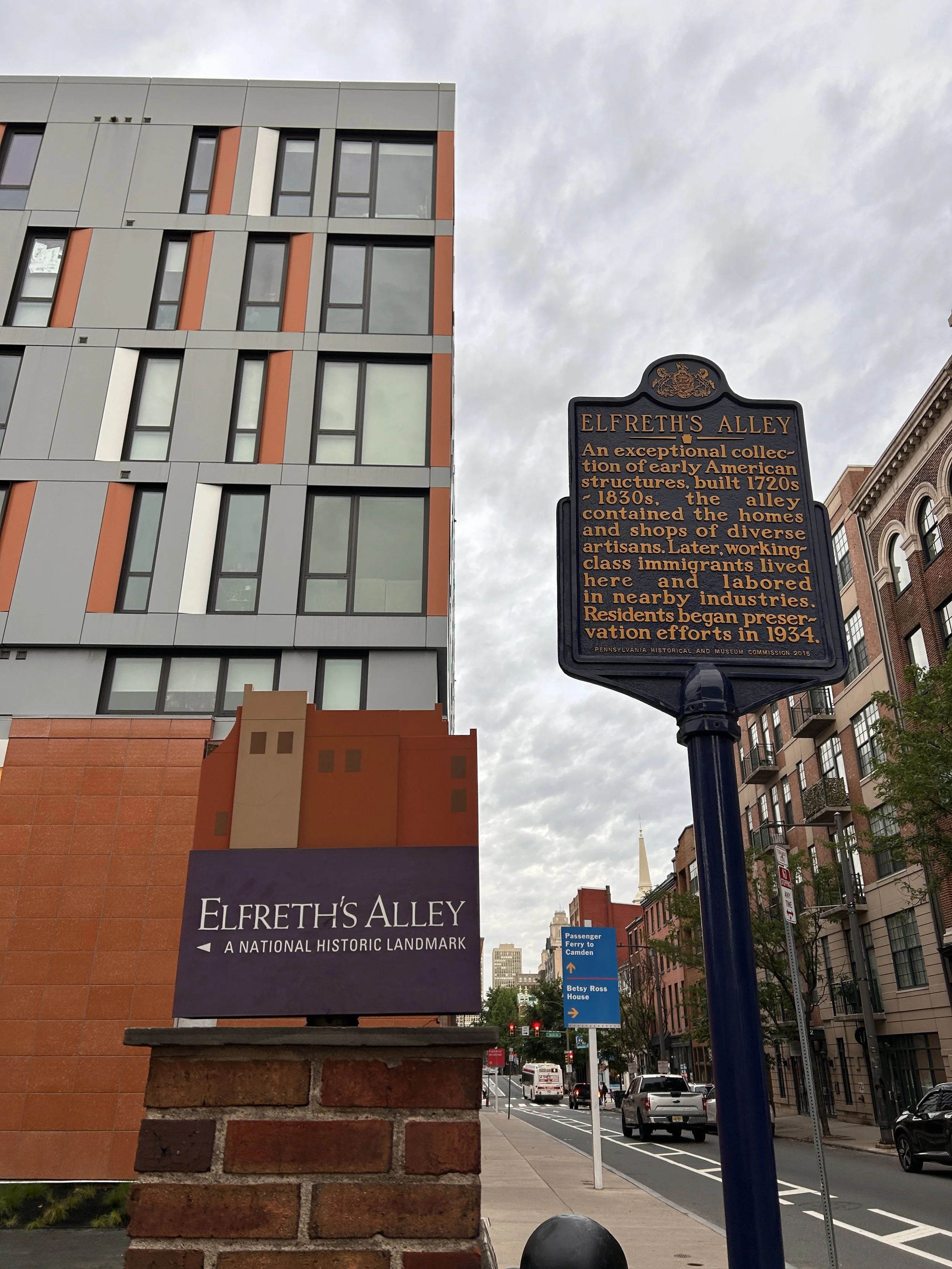
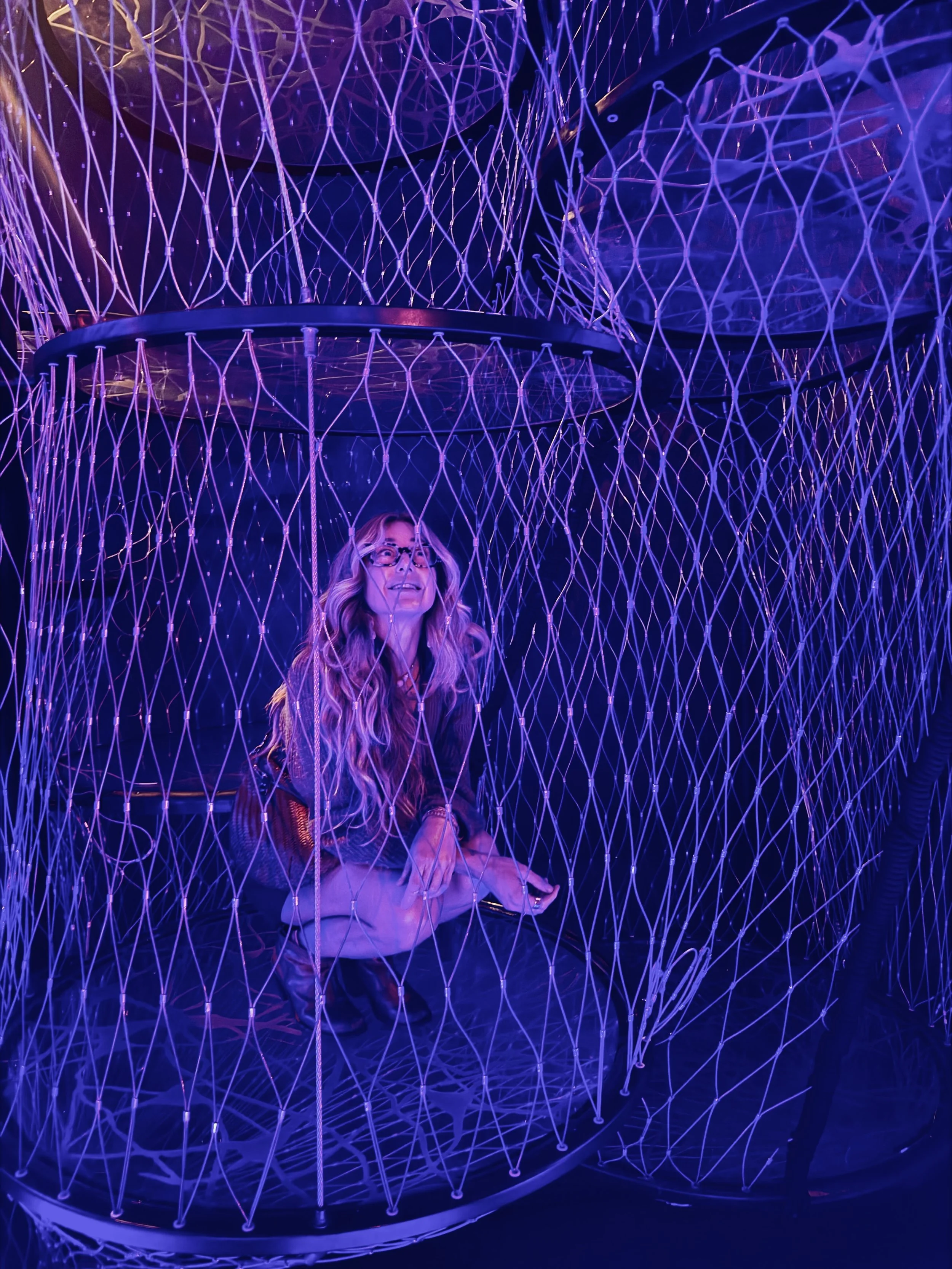
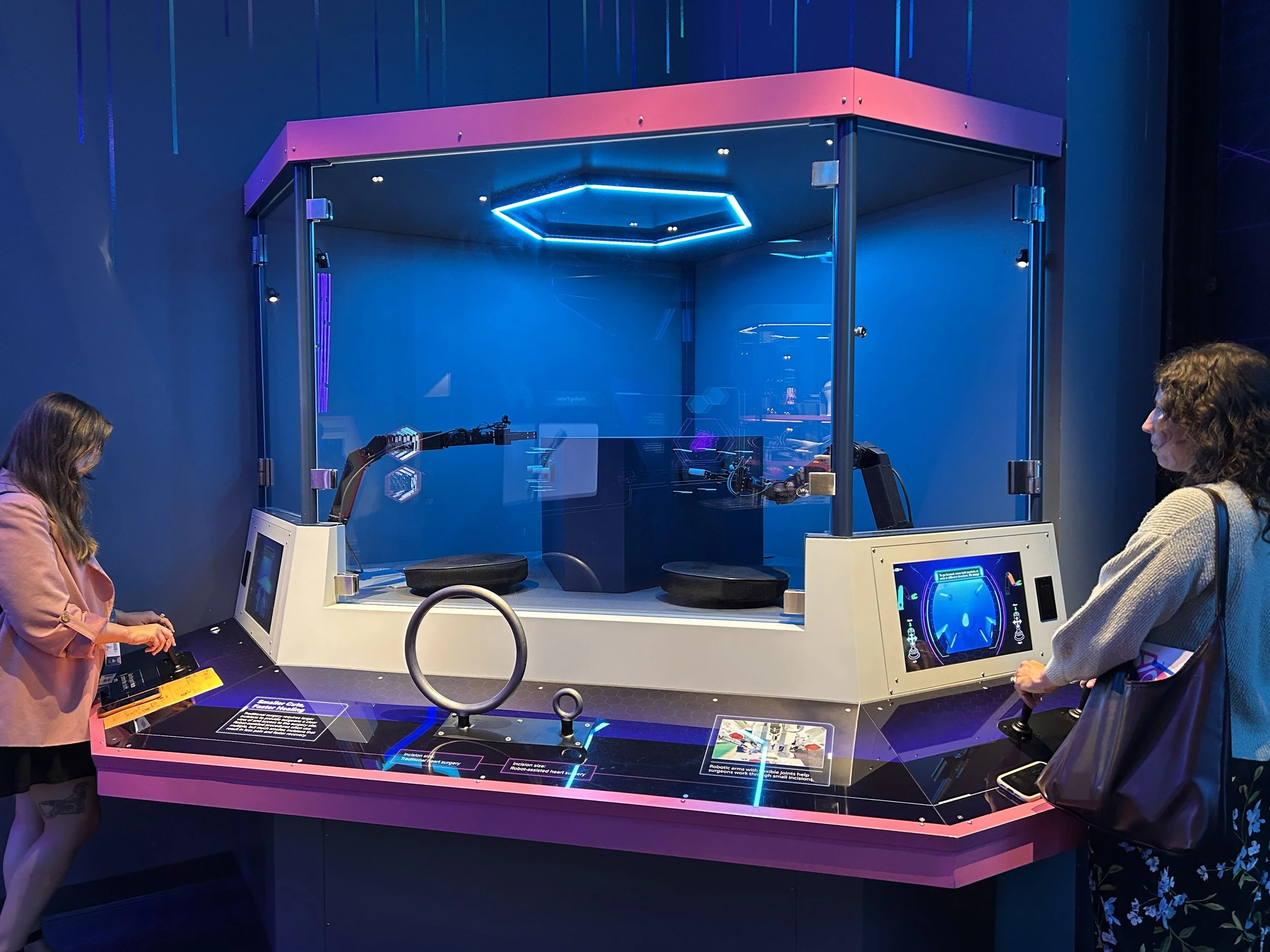
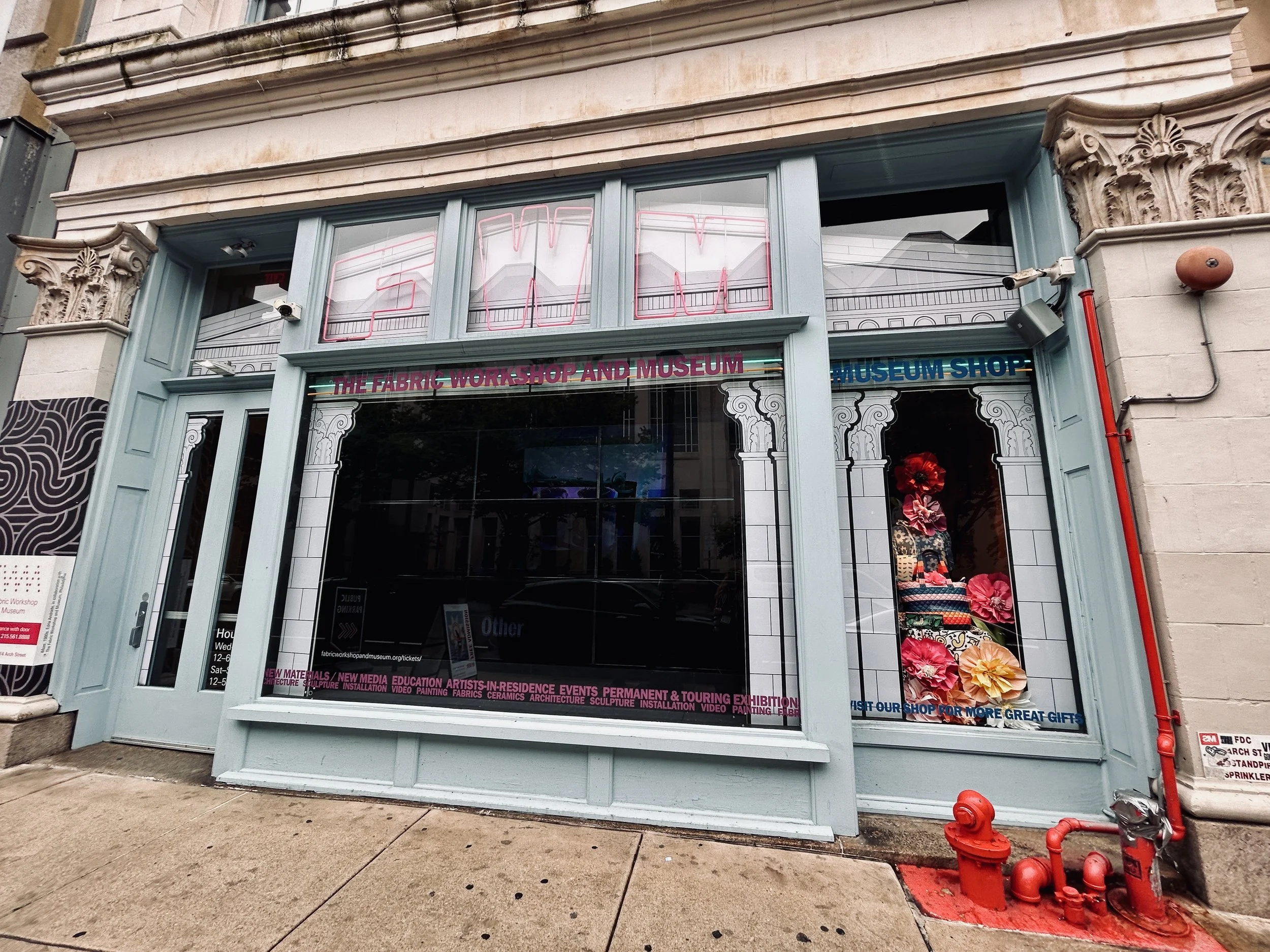
Leah: We attended evening events at The Franklin Institute and Philadelphia Museum of Art, and on my own I visited the Fabric Workshop and Museum, Barnes Foundation, Calder Gardens, and Rodin Museum. I also explored parts of Philadelphia's Magic Gardens and the historic Old City neighborhood on foot, where I appreciated the educational signage placed near significant sites. One thing I kept thinking about throughout all of these experiences was how deeply spaces and exhibit design and display choices shape the way we learn and feel. Each museum and attraction approached this differently, but all felt intentional and effective in their own way, creating emotional and educational experiences for their visitors.
What ideas or inspiration are you most excited to bring back to Tampa Bay Watch?
Aubrey: I think the biggest thing I would like to bring back to Tampa Bay Watch is the importance of interdisciplinary connections and collaborations. We already knew this was important since it's what we were presenting on, but to see so many museums such as the Independence Seaport Museum that had poetry, art, science, tactile exhibits, and history pieces to convey the information. I think there are opportunities at Tampa Bay Watch to really accommodate every form of learning, and every connection that we can make to someone, despite their background, and depending on what they value most in their lives.
Leah: There are so many ideas I'm excited about, but one that Aubrey suggested during one of our conversations between sessions stands out as both simple and impactful - creating a clearer beginning and end to the visitor experience at the Tampa Bay Watch Discovery Center. We’d like to add an introductory display that helps orient guests to what they’re about to experience, as well as a concluding element that encourages reflection and helps visitors process and connect with what they learned right before they leave. I’m also interested in the concept of traveling exhibits and the possibilities they create for collaboration and sustainability within the museum field. I am thinking about how we might be able to share, repurpose, and recycle exhibits or exhibit components with one another when displays evolve or change over time.
What was the most memorable moment of the trip outside of the conference itself?
Aubrey: Outside of the conference, it was super memorable for me to be able to navigate through a new city by myself using mainly public transportation, mostly the subway and walking. I felt like I was able to see the character and culture of the city. I also really enjoyed seeing the Delaware river waterfront and being able to see New jersey from the banks, as well as board a massive historical navy steamship, The Olympia.
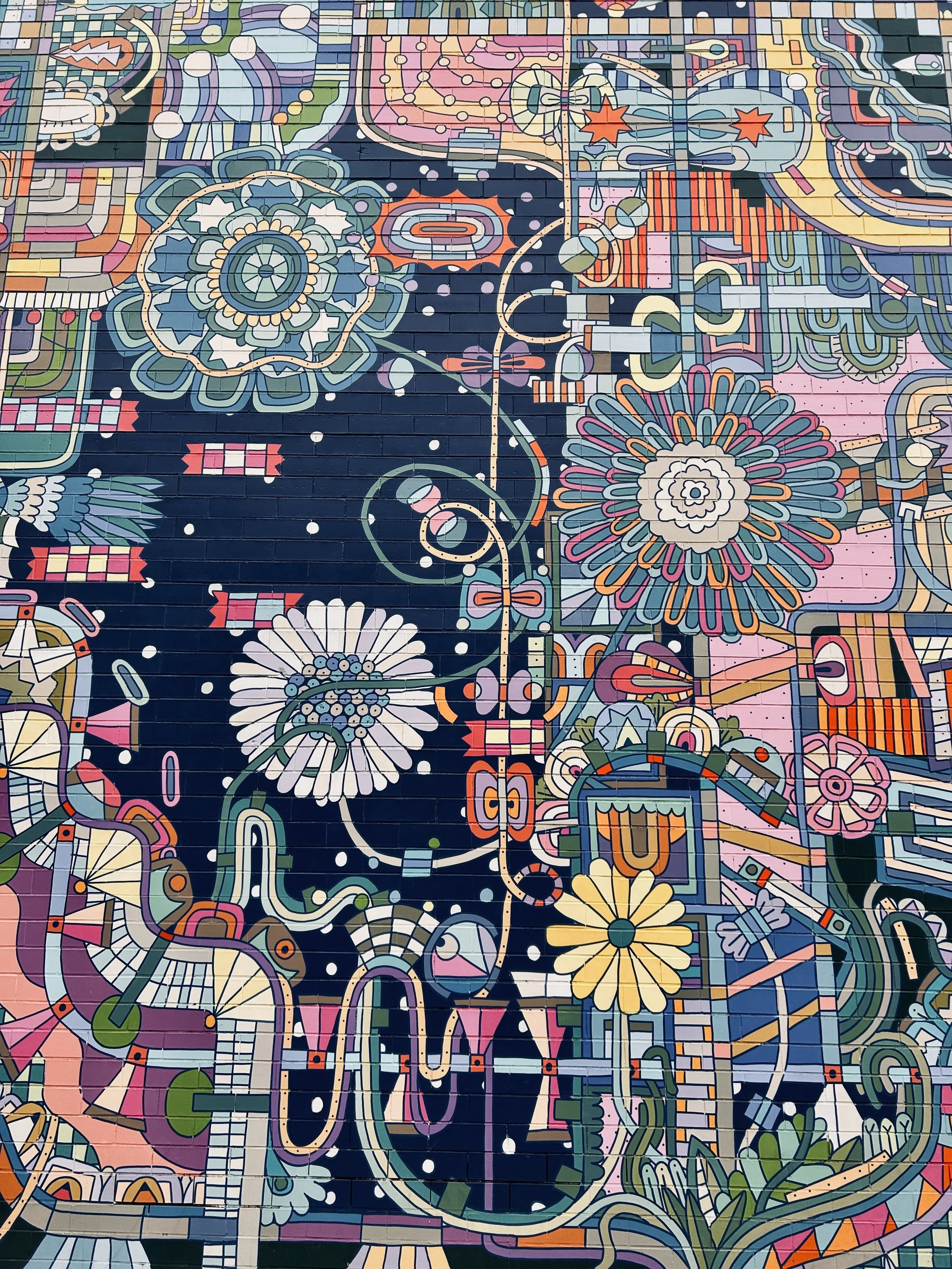
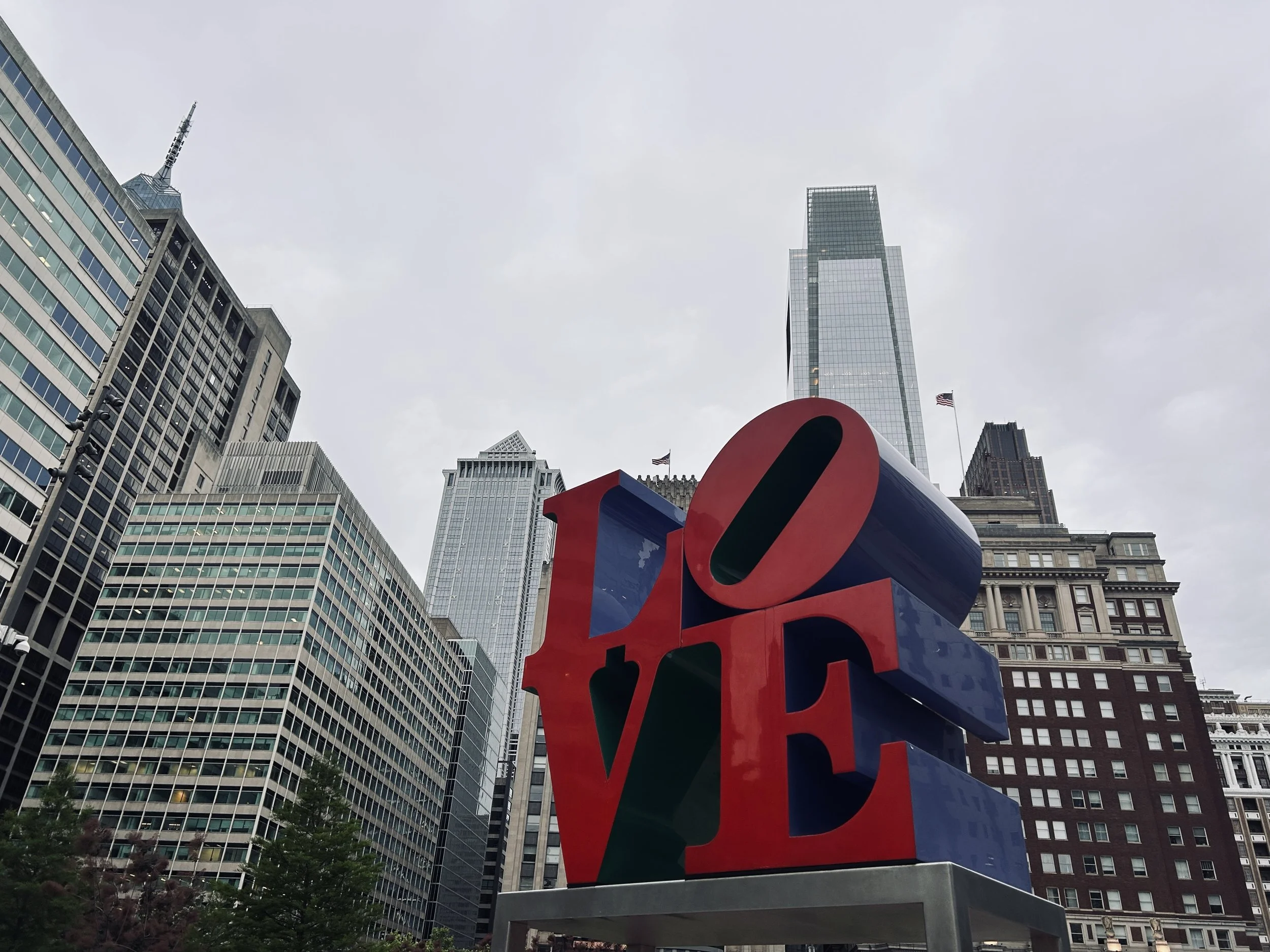
Leah: Outside of the conference itself, one of my favorite parts of the trip was jogging through different Philadelphia neighborhoods each morning before the sessions began. It gave me the chance to experience the city in a more organic way, exploring parks, historic homes and buildings, Chinatown, and lots of murals and mosaics displayed on local businesses and homes. Mosaic art in particular seemed to have a strong presence throughout the city, probably inspired by Philadelphia's Magic Gardens. We also had an incredible dinner at Fitz on 4th, a vegan restaurant in a very cute and artsy neighborhood. I am grateful for the opportunity to explore a different city while collecting ideas and inspiration to help us build more meaningful experiences for our own community.